Who Says I Can t Cook You Obviously SVG Review
When you are a designer looking at a new machine embroidery design, your first instinct is to ask, "Does this actually work on fabric?" Too often, digital files look great on a screen but fall apart under the needle. That is exactly why I am evaluating the Who Says I Can t Cook You Obviously SVG before committing it to a real production run. This piece falls squarely into the Crafts and Graphics categories, but its true value lies in how it translates from a vector file to a stitched reality.
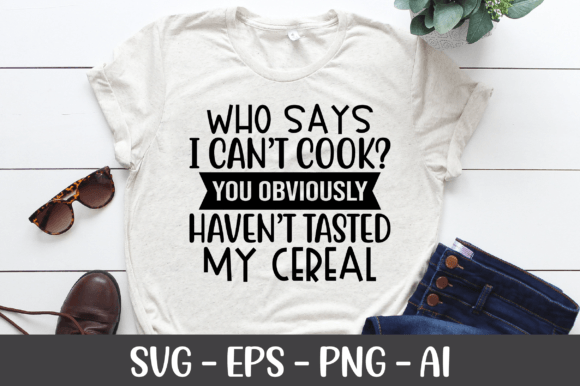
The immediate visual punch of this design is undeniable. The playful, slightly sarcastic tone creates a mood that is perfect for modern home decor and casual apparel. It isn't trying to be formal or overly delicate; it is bold, confident, and designed to make people smile. For an embroiderer, this personality is gold because it suggests a project that doesn't need heavy embellishment to stand out. The layout feels balanced, allowing the text to breathe without feeling cramped, which is a critical factor when we consider the limitations of thread density.
A Real-World Scenario: The Custom Apron Project
Let's imagine a practical scenario where I need to create a gift for a client who loves baking but hates being told what to do in the kitchen. I pull up the Who Says I Can t Cook You Obviously SVG file to test on a heavy-duty cotton canvas apron. My goal is to produce a finished product that looks professional enough to sell in a boutique but retains that handmade charm that customers love.
As I load the design into my digitizing software, I notice the line weights are substantial. This is excellent news for a satin stitch application on a tote bag or a sweatshirt. However, the phrase "You Obviously" introduces a slight challenge with kerning if the font style is condensed. In a real-world setting, I would need to ensure the spacing remains consistent across different hoop sizes. If I were stitching this onto a small baby onesie, the lettering might feel too large, but on a standard 5x7 inch patch or a kitchen towel, the scale feels just right.
The humor in the text adds a layer of emotional connection. When a customer sees this embroidered on a pillow cover or a cap, they aren't just buying a decoration; they are buying a statement. This increases the perceived value of the handmade product. A simple text design can sometimes feel generic, but the specific wording here gives it a unique identity that helps it stand out in a crowded Etsy marketplace.
Performance on Different Fabrics and Garments
Not all fabrics play nice with every design, and understanding where this embroidery file fits is crucial for success. On stable, medium-weight fabrics like denim or twill, the design should hold its shape beautifully. The contrast between the thread and the dark background will likely pop, making it ideal for custom apparel like hoodies or varsity jackets.
However, there are areas where caution is required. If you attempt to use this on stretchy jersey knits without proper stabilizer, the tension could cause the letters to pucker or distort. The text is dense enough that it requires a solid foundation. For a tote bag design, the canvas provides a sturdy base, but you must ensure the stabilizer is cut away cleanly so the bag remains flexible. On a curved surface like a baseball cap, the curvature of the brim might affect how the straight lines of the text appear, potentially requiring a slight adjustment in the digitizing to compensate for the distortion.
I also had to consider the texture of the final product. On a rough, textured fabric like burlap or heavy linen, the fine details of the stitches might get lost. This design works best on smoother surfaces where the thread can lay flat and show off its sheen. For a baby embroidery project, such as a bib or a blanket, the softness of the thread becomes paramount. You wouldn't want stiff, heavy stitches on a baby's skin, so selecting the right thread weight is essential here.
Navigating Technical Challenges
Every designer knows that the devil is in the details. While the concept is strong, the execution depends heavily on your setup. If you are planning to use this for commercial embroidery or selling small shop products, you cannot skip the testing phase. I strongly advise running a test on scrap fabric first to check the stitch density. If the fill areas are too tight, the fabric will bunch up, ruining the drape of the garment.
Another critical consideration is the color palette. The original digital preview might suggest a specific color scheme, but thread colors behave differently than ink. A bright neon thread on a white shirt might look vibrant on screen but could appear harsh once stitched. Conversely, a pastel thread on a light gray background might lack the necessary contrast to be legible. Always review the design in black and white mockups to ensure the visual hierarchy holds up regardless of color choice.
If the design includes any tiny decorative accents or very thin serifs, these might not survive the washing process well. Frequent washing is common for items like kitchen towels and aprons, so durability is key. Dense stitch areas can sometimes trap lint or debris over time, so keeping the design relatively clean and open is usually safer for long-term wear.
Practical Tips for Designers and Sellers
To ensure your finished product meets high standards, follow these guidelines before you start stitching:
- Check File Compatibility: Ensure the digital embroidery file matches your machine's format (e.g., .DST, .PES, .EXP). If the package only mentions a zip file, verify the contents include the correct formats for your equipment.
- Select the Right Stabilizer: For sweatshirt embroidery, a tear-away or cut-away stabilizer is often needed to prevent the knit fabric from shifting. For pillow covers, a water-soluble top stabilizer can help keep the threads crisp during stitching.
- Inspect Small Details: Zoom in on the text. Are the corners sharp? Is the spacing even? If the letters are too close together, they may merge during stitching, making the message hard to read.
- Verify Licensing: Before selling personalized gifts or holiday embroidery items, confirm the licensing terms. Some designs allow for commercial use, while others are for personal projects only. Selling a custom apparel item with a restricted license can lead to legal trouble.
The Who Says I Can t Cook You Obviously SVG is more than just a cute graphic; it is a versatile tool for creative entrepreneurs. Whether you are creating giftability focused items for Christmas or building a brand identity for a boutique, this design offers a strong starting point. Its humor resonates with a wide audience, and its structure supports a variety of applications, from embroidered patches to printable mockups for online listings.
Ultimately, the success of this project comes down to your craftsmanship. By treating the design with respect—testing it thoroughly, choosing the right materials, and paying attention to the finishing touches—you can turn a simple text file into a high-value asset. This approach builds trust with your buyers and ensures that your craft business maintains a reputation for quality. When done right, the result is a piece of art that tells a story, one stitch at a time.