October is My Favorite Color SVG Review
As a designer who has spent years turning digital files into tangible, stitched masterpieces, I approach every new download with a mix of excitement and skepticism. You do not just want a pretty image; you need a reliable machine embroidery design that will translate cleanly from screen to fabric without losing its soul. When I first opened the file labeled October is My Favorite Color SVG, my immediate reaction was one of seasonal recognition. It captures that specific cozy, crisp feeling of autumn that everyone loves, but does it hold up under the needle?
First Impressions: Mood and Visual Personality
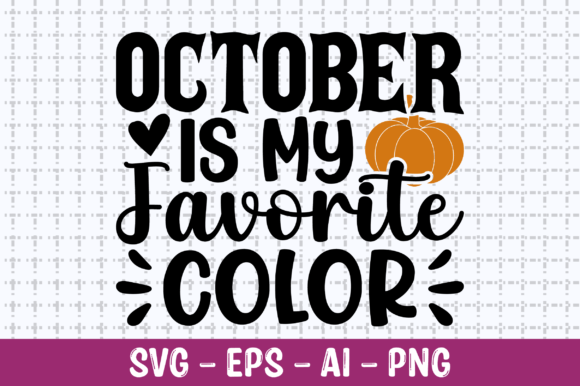
The design immediately establishes a warm, inviting mood. In the world of embroidery projects, atmosphere is everything. This file does not feel like a generic clip art; it feels like a statement piece intended for personal expression. The layout is balanced, allowing the text to breathe while maintaining enough visual weight to stand out on a garment or accessory. For those of us in the craft business, this kind of personality is gold because it suggests a finished product that customers will actually want to wear or display.
The vector nature of the file means the lines are crisp, which is crucial when we talk about resizing. Whether you are shrinking this down for a baby onesie or blowing it up for a large tote bag, the integrity remains intact. It feels versatile enough to fit into a collection of fall-themed items without looking out of place. The typography choice likely leans towards something playful yet legible, which is essential for any text-based embroidery file.
Real-World Application: From Digital to Stitched
Let me take you through a scenario where I would use this design in a real project. Imagine I am preparing a batch of custom embroidered tote bags for a local craft fair. These are meant to be sold as practical gifts for shoppers during the holiday season. I load the October is My Favorite Color SVG into my digitizing software and set it up for a standard medium hoop size. The goal is to create a high-quality handmade product that looks professional and expensive.
When I run the test stitch on a scrap of canvas, the design performs well. The lettering holds its shape, and the spacing between characters prevents the thread from tangling. On a natural-colored tote, the contrast is striking. However, if I were to switch to a dark navy bag, I would need to adjust the thread colors significantly, perhaps using a white or cream thread with a light underlay to ensure the text pops. This flexibility is what makes a design asset valuable for an Etsy seller or boutique owner.
I also considered how this would look on a sweatshirt. Fall fashion is huge right now, and a soft fleece hoodie with this phrase stitched across the chest or pocket area would be a hit. The design is robust enough to handle the texture of a knit fabric without distorting. It transforms a simple garment into a personalized gift that feels thoughtful and curated. Customers love seeing their favorite seasons represented on their clothing, and this design taps directly into that emotional connection.
Where to Be Cautious: Limitations and Challenges
While the design is strong, no single file is perfect for every situation. As an experienced reviewer, I have to point out where you should exercise caution. If you plan to put this on a small item like a baseball cap or a hat brim, you must verify the hoop size compatibility. Curved surfaces can distort text if the design is too wide or if the density is too high. The curves of a cap require careful planning to ensure the letters do not stretch or bunch up.
Another area to watch is textured or thin fabric. If you attempt to embroider this on a sheer linen or a very stretchy jersey knit without proper stabilization, the result could be puckered and unprofessional. The stability of the fabric is just as important as the quality of the digital embroidery file. You will need to use a sturdy stabilizer, especially if the design includes dense fill stitch areas. Without the right support, the threads might pull the fabric, ruining the drape of the item.
Additionally, avoid using this on items that require frequent washing, such as kitchen towels or work aprons, unless you have tested the durability thoroughly. While the design itself is fine, the longevity of the stitch depends on your technique. If you are aiming for a commercial finished product that needs to withstand industrial laundering, you might need to increase the stitch density slightly to prevent thread breakage or fading.
Practical Notes for the Embroidery Designer
Before you commit to a full production run, there are several steps you must take to ensure success. First, always test the design on scrap fabric that matches your final material. This allows you to check the stitch density and see how the satin stitch lays down on the specific texture you are using. Do not skip this step; it saves time and money in the long run.
You should also review the design in black and white mockups. Sometimes color can hide alignment issues or spacing problems that become obvious when viewed in grayscale. This is particularly useful if you are creating printable mockups for your online store listings. Ensuring the design looks good in various contexts helps build trust with your buyers.
Finally, confirm your licensing terms. Even though you own the graphics file, the license may dictate whether you can sell the physical items you create. Check if the file includes rights for commercial use, especially if you are a small shop product creator selling on platforms like Etsy. Understanding these legal boundaries protects your brand consistency and keeps your business running smoothly.
Final Verdict on Design Value
The October is My Favorite Color SVG is more than just a seasonal novelty; it is a functional tool for creative entrepreneurs. It offers the clarity needed for clean stitching and the aesthetic appeal required to drive sales. Whether you are making holiday embroidery gifts, creating baby embroidery sets, or designing unique embroidered patches, this file provides a solid foundation.
It fits seamlessly into the workflow of anyone looking to elevate their custom apparel offerings. The inclusion of multiple formats like Ai, EPS, and PNG ensures that you can adapt the design for various uses, from direct machine stitching to digital marketing assets. For the discerning maker who values both form and function, this design delivers on its promise. It is a reliable addition to your library of design assets, ready to turn your next idea into a profitable, beautiful reality.
In conclusion, if you are looking to add a touch of autumn charm to your commercial embroidery lineup, this is a smart investment. Just remember to respect the limitations of your materials and machines, and you will produce a finished product that stands out in a crowded market. Happy stitching!